Understanding Disability Insurance for Veterans: Benefits and Options
AH
Introduction to Disability Insurance for Veterans
Veterans who have served our country deserve robust support systems when they return to civilian life, especially if they are dealing with disabilities. Disability insurance for veterans is a critical resource that provides financial assistance to those who have sustained injuries or illnesses related to their military service. Understanding the benefits and options available can help veterans make informed decisions about their coverage.

What is Disability Insurance?
Disability insurance offers financial protection by providing income to veterans who are unable to work due to service-connected disabilities. These benefits ensure that veterans can maintain a stable quality of life while managing their health conditions. The insurance covers a wide range of disabilities, including physical injuries, mental health issues, and chronic illnesses.
Types of Disability Insurance for Veterans
Veterans have access to several types of disability insurance, each designed to meet different needs. The most common options include:
- Service-Connected Disability Compensation: A tax-free benefit for veterans who have disabilities resulting from injuries or diseases incurred or aggravated during active military service.
- Non-Service-Connected Pension: A needs-based benefit for wartime veterans who have limited income and are permanently and totally disabled.
Eligibility Criteria
To qualify for disability insurance, veterans must meet specific eligibility criteria. For service-connected compensation, veterans must demonstrate that their disability is linked to their military service. Medical records, service documents, and other forms of evidence are often required to establish this connection.
Applying for Benefits
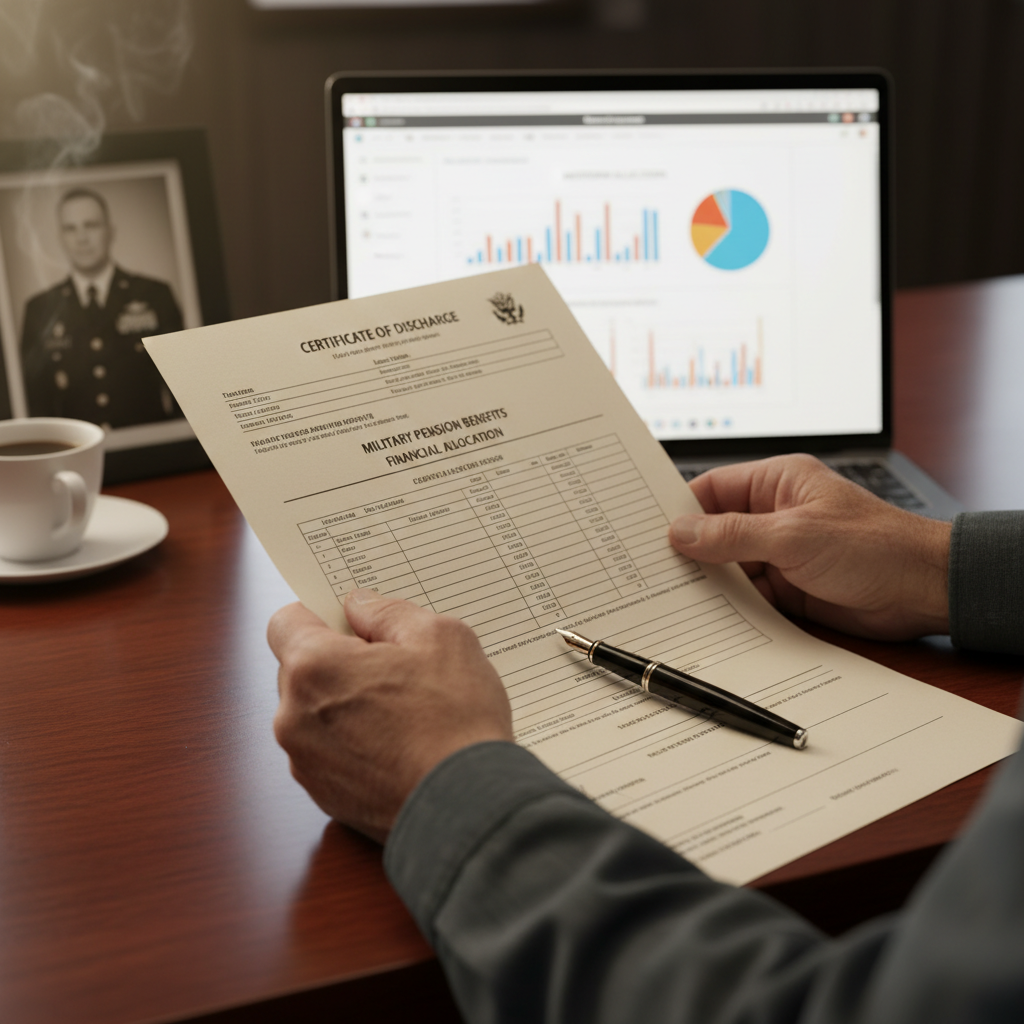
The application process for disability insurance can be complex, but understanding the steps involved can make it more manageable. Veterans should start by gathering necessary documentation, such as medical records and service history. Applications can be submitted online through the Department of Veterans Affairs (VA) website or by visiting a local VA office.
Appealing a Decision
In some cases, a veteran's initial application for benefits may be denied. If this happens, it's important to know that there is an appeals process. Veterans can file a Notice of Disagreement (NOD) if they believe their claim was wrongly denied. Legal assistance and support from veterans' organizations can significantly enhance the chances of a successful appeal.

Additional Support and Resources
Beyond insurance benefits, there are numerous resources available to assist veterans with disabilities. Veterans Service Organizations (VSOs) provide guidance and support throughout the application and appeals process. Additionally, the VA offers various programs aimed at improving the quality of life for disabled veterans, including vocational rehabilitation and employment services.
Conclusion
Disability insurance is a vital lifeline for veterans who face challenges due to service-related disabilities. By understanding the benefits and options available, veterans can better navigate the complex landscape of disability insurance and secure the support they need. Access to the right information and resources empowers veterans to make informed decisions and advocate for their well-being.